How to Find the Right Balance Between Flexibility and Structure in a Co-Working Space
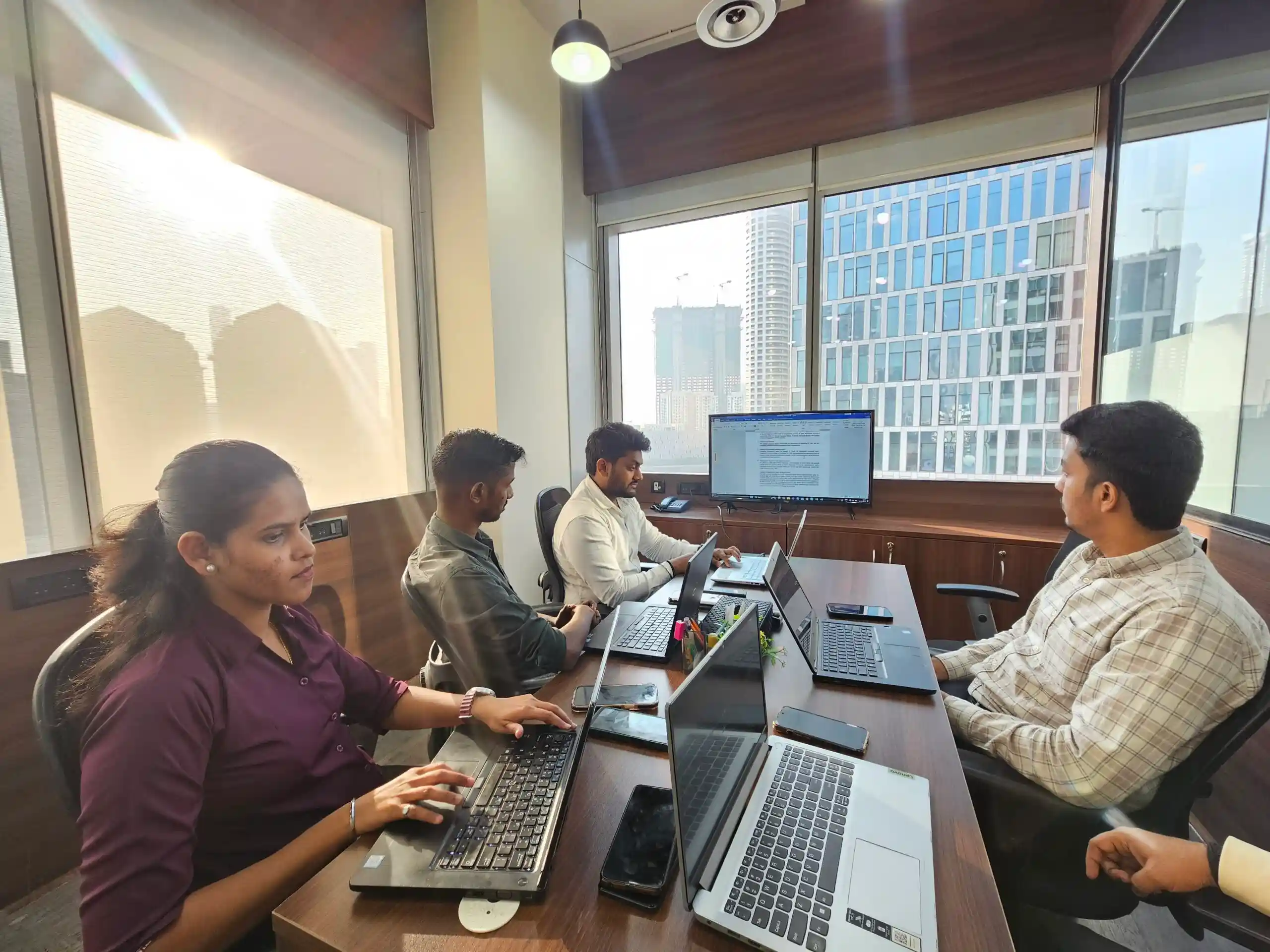
Co-working spaces are now the preferred option for many professionals looking for a flexible and collaborative office setting in today’s fast-paced world. These places offer better work-life balance and more productivity with their lively atmospheres and diversified communities. It can be difficult to strike the ideal balance between structure and flexibility, though. Achieving this equilibrium is essential because it guarantees that professionals maintain their productivity while also having the flexibility they require to encourage innovation and creativity. Here’s how to successfully master this balance.
Understanding Flexibility and Structure in Co-Working Spaces
Co-working spaces provide a welcome change from the conventional office layout in today’s quickly changing workplace. These vibrant areas are intended to encourage creativity and teamwork while providing a degree of independence not usually seen in traditional offices. Finding the ideal mix between structure and flexibility is essential to getting the most out of a co-working environment.
Importance of Flexibility
In a co-working setting, flexibility is the autonomy and adaptability that employees have in deciding how, when, and where to work. This notion enables people to customize their workday to fit their own requirements and tastes, resulting in the perfect setting for individualized productivity. Finding the ideal work-life balance that enables you to flourish both emotionally and professionally is what flexibility is all about, not just being able to work in a comfortable spot with a cup of coffee.
It is impossible to overestimate the value of flexibility in a co-working environment. First of all, it encourages employees to discover the most productive times that work best for them by allowing them to escape the boring 9 to 5 schedule. Furthermore, flexible work settings can adapt to unforeseen adjustments in personal schedules or workload, which lowers stress and boosts job satisfaction in general. Co-working spaces foster creativity and creative thinking by providing such variety.
Role of Structure in a Productive Workspace
In order to ensure productivity in any co-working space, structure is just as necessary as flexibility. The organizational framework that gives the workplace consistency, predictability, and discipline is referred to as structure. It consists of components that guarantee a seamless workflow, such as precise instructions, well-defined work procedures, and established communication protocols.
Maintaining the consistency and focus required to finish activities and meet deadlines requires an organized atmosphere. It offers a road plan that directs day-to-day activities, preventing the mayhem that could result from having too much independence. Through establishing expectations and promoting teamwork, structure also promotes collaboration. Therefore, maintaining high levels of production without stifling the innovative spirit that flexibility fosters requires striking the correct balance between structure and flexibility.
Benefits of Flexibility in a Co-Working Environment
Flexibility in a co-working environment has several benefits that, when properly implemented, greatly enhance the success of both people and teams.
Enhanced Creativity and Innovation
Creativity can frequently be stifled in conventional office settings with strict policies and strict timetables. However, by fostering a more laid-back and flexible atmosphere, flexibility opens the door for creativity. With the flexibility to select their own work environments and timetables, people can immerse themselves in creatively stimulating environments, whether it be brainstorming in a lounge, having spontaneous conversations with coworkers, or taking short breaks to rejuvenate. This creative freedom promotes exploration and unconventional thinking, leading to ground-breaking discoveries and new solutions that are not constrained by traditional lines.
Improved Work-Life Balance
The improvement of work-life balance is one of the main advantages of flexibility in co-working spaces. Co-working spaces allow people to seek both career growth and personal fulfillment at the same time by letting them tailor their work schedules around personal obligations. Flexibility guarantees that personal and professional life are harmoniously matched, whether it’s picking up the kids from school, going to personal appointments, or just taking time for self-care. In addition to lowering stress, a balanced lifestyle improves general wellbeing and morale, which raises output and job satisfaction.
Adaptability to Various Work Styles
Each professional has a distinct work style that shapes the way they tackle assignments and issues. This diversity is met by co-working spaces that are flexible enough to accommodate a range of work habits and preferences. Co-working spaces offer a variety of settings to meet the needs of different people, whether they are more comfortable working in groups, in quiet solitude, or with background noise. Employees can reach their full potential and perform at their highest level when they are able to adjust to different work styles. Additionally, teams with different working styles can work together without being confined to a one-size-fits-all paradigm, which promotes an inclusive and respectful atmosphere.
Advantages of Structure in Co-Working Spaces
Achieving a good work-life balance and optimizing productivity require striking the correct balance between structure and flexibility. The advantages of adding some structure to co-working spaces can be significant.
Increased Productivity and Efficiency
The potential for increased productivity and efficiency is one of the biggest benefits of adding structure to a co-working space. People are better able to concentrate on their work and reduce distractions when they have a clear plan for their workday. People are encouraged to set goals, prioritize their work more efficiently, and often assess their progress in structured situations.
Additionally, organization improves concentration, decreases procrastination, and helps one make better use of time. Employees who are aware of their schedules and due dates are more likely to use the time slots allotted for in-depth work, which eventually results in increased productivity and less stress.
Consistency in Work Processes
Additionally, structure guarantees uniformity in work procedures, which is especially advantageous in settings where several companies or independent contractors coexist. Maintaining quality and producing consistent results are made easier with a standardized set of processes. This is particularly crucial when team projects or regular collaborations take place in co-working facilities.
For both clients and team members, consistency promotes dependability and expectation management, which is comforting. Additionally, it facilitates more efficient communication because everyone is aware of the protocols to follow, which eases interactions and minimizes miscommunications.
Creating a Professional Atmosphere
Co-working spaces can be formal and businesslike or informal and laid back. A professional ambiance that appeals to a wide spectrum of professionals can be created in the area by including structural components. This professionalism not only draws in tenants, but it also makes those who work there feel accountable and taken seriously.
Additionally, networking opportunities might be facilitated by a structured professional environment. Members’ interactions are influenced when they believe the setting to be professional, which naturally leads to opportunities for deep connections and teamwork. A place that strikes a mix between professionalism and a friendly atmosphere fosters innovation, networking, and company expansion.
Strategies to Achieve the Right Balance
Co-working spaces must adopt strategic ways if they are to fully benefit from the cohabitation of flexibility and structure. Here are a few strategies for successfully striking this delicate balance.
Establishing Flexible Work Policies
One of the most important tactics to attain balance is the implementation of flexible work regulations. Although structure has its advantages, it’s crucial to keep in mind that freedom and flexibility are what make co-working spaces so alluring. Co-working spaces accommodate a variety of work styles and individual demands by letting people select their own work schedules and personal preferences.
The ability to easily modify one’s workspace to accommodate one’s personal and professional objectives should be the definition of flexibility, not chaos. With this method, users can work more efficiently while still having a suitable amount of autonomy and control over their work schedule.
Implementing Structured Schedules
Structured timetables can help to maintain a balanced atmosphere when used in conjunction with flexible regulations. Providing planned activities, like networking gatherings, workshops, or quiet times, can give people a sense of order all day long.
People frequently flourish in settings that permit independently planned work schedules. This is giving people the chance to schedule specific time slots in advance for socializing or concentrating on particular tasks. Scheduling shared resources, such as equipment and meeting rooms, guarantees equitable access and avoids bottlenecks that might reduce output.
Additionally, establishing planned but voluntary group activities promotes a feeling of community without limiting individual liberty, fostering a spirit of cooperation and friendship.
Utilizing Technology for Balance
In co-working environments, technology is essential to striking a balance between structure and flexibility. Co-working spaces may improve communication, automate administrative processes, and streamline operations by utilizing the appropriate technologies and platforms.
Time can be saved, and manual errors can be decreased, for instance, by integrating communication platforms for smooth collaboration or using scheduling tools to book resources. Individuals can structure their work without extensive supervision thanks to time management and task organization tools, which foster a self-regulating ecosystem.
Technology can also help co-working spaces customize their offers according to customer preferences, which improves the operational efficacy and personalized quality of the services offered.
In conclusion, striking the correct balance between structure and flexibility in co-working spaces necessitates a careful strategy focused on professionalism, consistency, and productivity. When properly implemented, the combination of the two components can produce a stimulating atmosphere in which people flourish and reach their full potential on both a personal and professional level. Incorporating technology, flexible work arrangements, and regulated schedules will guarantee that this equilibrium not only draws in but also keeps contented, productive coworkers.
Conclusion
In conclusion, finding the ideal balance between structure and flexibility is essential to achieve productivity and work-life balance in a co-working space. To do this, set clear boundaries for your work, assess your personal and professional needs, and communicate with your coworkers. Keep in mind that an effective co-working location is one that provides the structure you require to maintain focus while accommodating your fluctuating workload. You can benefit from a lively yet orderly workplace by implementing these strategies.
Leave a Reply