
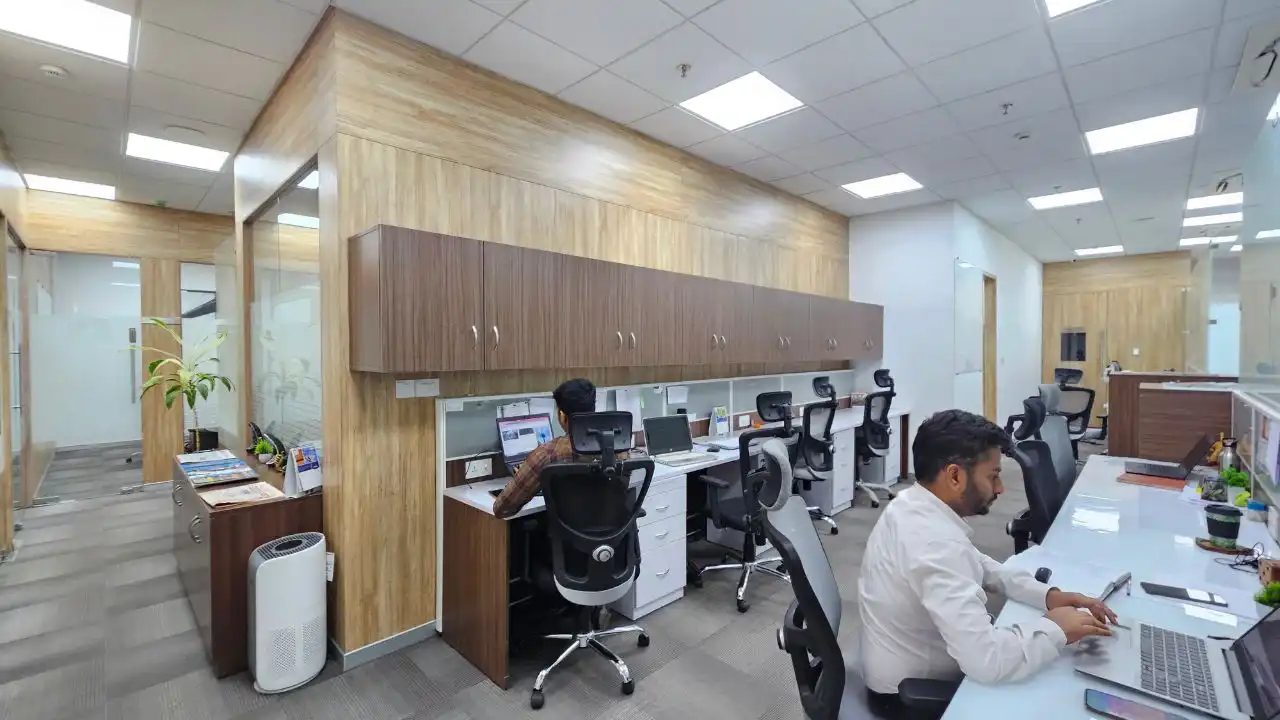
Why Startups Choose Coworking in Lower Parel
Mumbai is one of India’s fastest-growing startup hubs, and Lower Parel stands out as a prime destination for young businesses. The area’s vibrant mix of business centers, networking opportunities, and world-class infrastructure makes it a magnet for ambitious entrepreneurs.
But when it comes to setting up an office, the choice is clear: Why Startups Choose Coworking in Lower Parel over traditional setups. From affordability to scalability, coworking is rewriting the rules of how modern startups work and grow.
In this article, we’ll explore the top reasons startups are moving into coworking spaces in Lower Parel, and why it could be the smartest decision for your business.
Affordable Workspaces for Lean Startups
Most startups operate with limited budgets, and committing to a long-term lease in Lower Parel can be financially draining. Coworking spaces in Lower Parel offer flexible plans that include desks, private cabins, and shared offices—without the heavy upfront costs of infrastructure.
Instead of investing in furniture, internet, and maintenance, startups simply pay a monthly fee that covers it all. This means more funds can be directed toward product development, marketing, and talent acquisition.
Example: A fintech startup can begin with five coworking desks, avoiding the burden of a ₹20–30 lakh office setup.
Networking and Collaboration Opportunities
One of the biggest reasons startups choose coworking in Lower Parel is the thriving community. Coworking spaces bring together professionals from diverse industries—tech, finance, design, marketing, and more.
This environment naturally fosters collaboration. Startups often find mentors, investors, and even clients within the same coworking hub. Events, workshops, and casual networking opportunities help entrepreneurs learn from each other and scale faster.
At Pinaki Workspace, members regularly engage in community sessions that create valuable partnerships beyond just sharing a desk.
Check our shared office in Lower Parel where startups collaborate and grow together.
Scalability and Flexibility for Growing Teams
Startups grow fast—and sometimes unpredictably. With coworking in Lower Parel, it’s easy to scale up or down depending on business needs.
Need three more seats next month? Add them instantly. Need a private cabin for client meetings? Upgrade without relocation. Traditional offices rarely offer this kind of flexibility, often locking businesses into rigid leases.
Example: A health-tech startup started with two desks and scaled to a 12-seat cabin in just six months at a coworking space—without changing addresses.
Discover our private cabins in Lower Parel designed for growing startups.
Access to Premium Amenities Without Extra Cost
Startups in coworking spaces in Lower Parel enjoy premium amenities such as:
- High-speed internet
- Conference and meeting rooms
- Printing and scanning facilities
- Pantry and café areas
- Housekeeping and maintenance
These facilities would cost lakhs to set up in a traditional office. Coworking makes them accessible at a fraction of the price, leveling the playing field for young businesses.
This allows startups to project a professional image to clients and investors without overspending.
Location Advantage: Lower Parel as a Startup Hub
Lower Parel offers excellent connectivity via local trains, metro lines, and major road networks. Its central location between South and Central Mumbai makes it ideal for attracting talent and meeting clients.
Being surrounded by established corporates, media houses, and financial institutions adds credibility and growth opportunities. For startups, this location advantage is as valuable as the office itself.
Lower Parel’s reputation as Mumbai’s business hub is one reason startups overwhelmingly choose coworking here.
Conclusion: Why Startups Thrive in Coworking Spaces
The choice of why startups choose coworking in Lower Parel comes down to three words—cost, community, and convenience. With flexible plans, premium amenities, and unmatched networking, coworking empowers startups to focus on growth rather than overheads.
At Pinaki Workspace, we provide everything a startup needs—affordable desks, private cabins, and a thriving community in the heart of Lower Parel.
FAQs
What is the main advantage of coworking space for startups?
Low cost, flexibility, and networking opportunities are the biggest advantages.
Why are coworking spaces so popular?
They provide flexibility, affordability, and collaboration in a professional environment.
What is the demand of coworking spaces?
Demand is growing rapidly, especially in business hubs like Lower Parel.
What are the core values of coworking?
Collaboration, community, flexibility, and innovation.
What is the future of coworking?
Coworking is expected to dominate urban office spaces due to hybrid and flexible work models.